Noa-Lynn van Leuven's Historic Journey Halted by New Rules
In a decision that has sent shockwaves through the sporting world and the LGBTQ+ community, Noa-Lynn van Leuven, a trailblazing trans darts player, has been forced into immediate "retirement" from women's competitions. The Darts Regulation Authority (DRA), the governing body for the Professional Darts Corporation (PDC), recently announced a new ruling effectively banning trans women from participating in its women’s events. This move follows a similar declaration by the World Darts Federation (WDF) for 2025, creating a unified front that redraws the lines of eligibility in professional darts and profoundly impacts athletes like Noa-Lynn van Leuven.
The ruling not only ends van Leuven's promising career in women's darts but also ignites a fierce debate about fairness, inclusion, and the future of transgender athletes in sport. Her own words echo the profound disappointment: "I have worked so damn hard for years just to get here. I showed up and I competed. I respected the sport every game and every single day. Now, with just one decision, I am being told I no longer belong." This article delves into Noa-Lynn's remarkable journey, the details of the controversial ruling, its implications for the wider trans community, and the broader discussion surrounding inclusivity in competitive sports.
A Trailblazing Career Defined by Triumph and Adversity
Before the recent ruling, Noa-Lynn van Leuven was not just a participant; she was a pioneer. Since 2022, the 29-year-old from the Netherlands carved out an impressive career, securing six titles and making her mark on the PDC Women’s Series, reaching the quarter-finals in her debut year. Her career trajectory culminated in a historic 2024, where she became the first trans woman to qualify for the prestigious World Championship, a momentous achievement that saw her compete against Kevin Doets on one of darts' grandest stages.
Her journey, however, was far from smooth. From the outset, Noa-Lynn faced significant obstacles and outright discrimination. In 2024, and again in 2025, veteran darts player Deta Hedman forfeited quarter-final matches against van Leuven, with reports indicating Hedman "withdrew after learning of her opponent." Beyond the competitive arena, she endured public harassment, famously facing protestors at a tournament in 2025 who unfurled a banner reading: "He’s a man." The emotional toll of such incidents, compounded by relentless online abuse, has been immense. Noa-Lynn candidly shared how the comments left her not wanting to leave the house, leading to panic attacks and a worsening of her depression. "It has impacted me massively," she stated, reflecting on the enduring pain.
Despite the immense pressure and hostility, Noa-Lynn van Leuven consistently demonstrated incredible resilience and sportsmanship. Her ability to perform under such scrutiny, even when not at her best, was a testament to her dedication. As she gracefully put it after a particularly challenging event: "Was it the performance I dreamed of? Not even close. I couldn’t quite find my rhythm on stage. But considering how these past few weeks have gone, just being up there was already a win in itself." For any dedicated darts analyst examining her career, her mental fortitude and commitment to the sport shine through, highlighting the tragic irony of her forced departure.
The Rationale Behind the Ruling: Fair Play or Exclusion?
The Darts Regulation Authority's decision to ban trans women from women-only events was made with immediate effect. The DRA stated its intention was to "achieve fair competition in darts." To support this, the DRA commissioned a report from Dr. Emma Hilton, an academic developmental biologist, whose research has focused on sex and categories in sport. The report concluded that darts is a "gender-affected sport" and that "multiple physical differences" provide males with an advantage over female players.
Specifically, the report highlighted several physical characteristics that contribute to a performance gap, even if the sport does not demand overt physical strength. While darts relies heavily on precision, mental focus, consistency, and hand-eye coordination rather than brute force or aerobic capacity, the DRA's report suggests that inherent biological advantages persist. This perspective, however, has drawn criticism for its broad application across all sports, without sufficiently nuanced consideration of the specific demands of darts. Many argue that factors like psychological resilience, intense training, and strategic thinking are paramount in darts, potentially outweighing subtle biological differences that might be more impactful in strength-based or endurance sports.
Understanding the full scope of this decision requires a deeper dive, much like a meticulous darts analyst would perform. It's not merely about physical differences but also about the interpretation of "fairness" and how it intersects with identity and inclusion. The ruling effectively ends opportunities for trans athletes like van Leuven in women's circuits, impacting her eligibility for events she was on course to qualify for, such as the Women's World Matchplay.
The Profound Human Cost: Impact on Noa-Lynn and the Trans Community
The immediate consequence of the DRA's ruling is the abrupt end of Noa-Lynn van Leuven's competitive career in women's darts. However, the impact reverberates far beyond her personal aspirations. Her heartfelt statement – "This isn’t just about me; it is another huge hit for the trans community" – powerfully encapsulates the broader implications. For many, this decision is not just about a specific sport but symbolizes a wider trend of exclusion and invalidation faced by transgender individuals globally.
The emotional toll on Noa-Lynn, already exacerbated by years of online abuse and public scrutiny, is immeasurable. To be told she no longer belongs in a sport she dedicated her life to, after demonstrating exceptional talent and resilience, is a devastating blow to her identity and well-being. This kind of institutional exclusion reinforces feelings of isolation and discrimination, directly impacting mental health. It sends a chilling message to other aspiring trans athletes: despite their dedication and talent, their place in competitive sport can be unilaterally revoked.
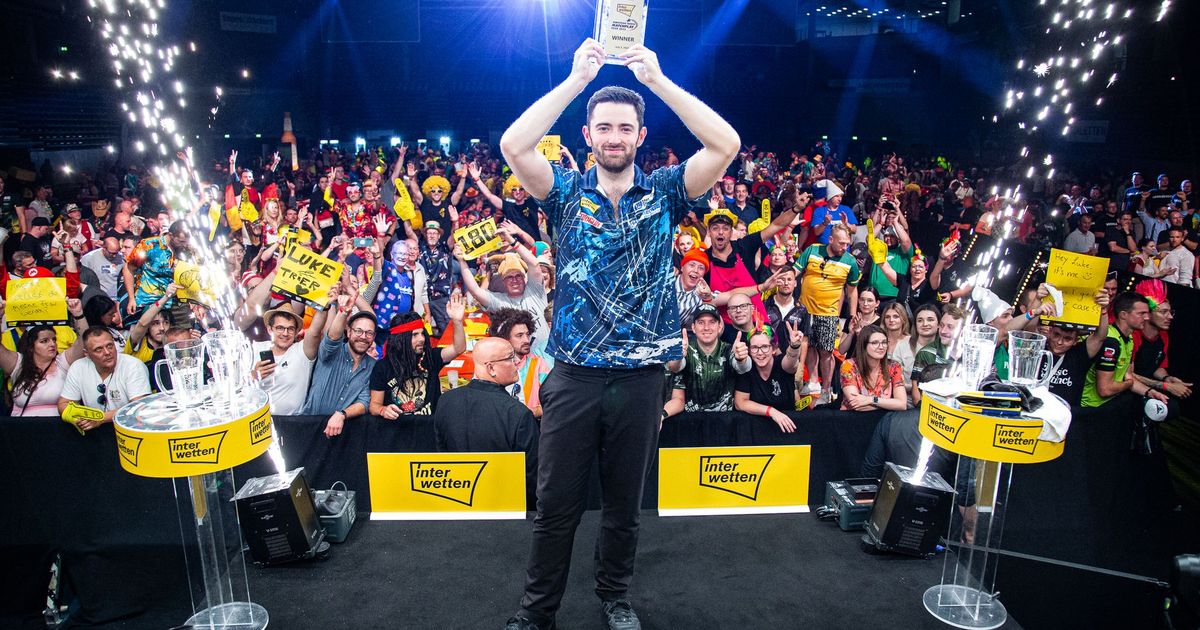
Yet, amidst the adversity, Noa-Lynn van Leuven has found support. Fellow darts world champion Luke Humphries lauded her performance: "She has been doing great, playing well, so I wish her all the best." Northern Irish darts star Neil Duff described her as a "lovely person" and urged those with anti-trans views to "rethink" their stance. These voices underscore the complexity of the debate and the human element often overshadowed by administrative rulings. The story of Noa-Lynn van Leuven serves as a stark reminder of the personal battles fought within the larger societal conversation on gender and sport.
Looking Ahead: Navigating Fairness and Inclusivity in Sports
The case of Noa-Lynn van Leuven brings to the forefront a critical and ongoing debate across all sports: how to balance fair competition with the principle of inclusion for transgender athletes. As governing bodies grapple with evolving scientific understanding and societal values, the search for equitable solutions becomes paramount. One key takeaway for sporting organizations is the need for highly specific, sport-by-sport assessments. A blanket ban, as seen with darts, may overlook the unique physiological demands and skill sets required for each discipline.
For instance, an insightful darts analyst might argue that while physical differences exist, their impact in a game of precision like darts might be less decisive than in contact sports. Practical advice for future policy-making could include:
- Sport-Specific Research: Commissioning studies tailored to the biomechanics and performance factors of individual sports, rather than applying generalized findings.
- Consultation with Athletes: Directly engaging with trans athletes, medical experts, and sports psychologists to understand lived experiences and potential pathways for inclusion.
- Exploring Open Categories: Considering the introduction of "open" categories alongside women's and men's categories, allowing for broader participation without exclusion.
- Regular Review: Implementing policies that are flexible and subject to regular review as scientific understanding and societal norms evolve.
The journey of Noa-Lynn van Leuven, while tragically cut short, has undeniably left an indelible mark on the sport of darts and the broader conversation around trans inclusion. Her courage in the face of immense pressure and her unwavering dedication to her sport have inspired many. The challenge now falls to sports federations worldwide to find innovative and compassionate ways to ensure that the pursuit of fairness does not come at the cost of excluding deserving athletes.
Noa-Lynn van Leuven's forced retirement represents a pivotal moment, highlighting the complex intersection of sports governance, biological science, and human rights. While the DRA asserts its decision maintains "fair competition," the human cost, particularly to individuals like van Leuven and the wider trans community, is undeniable. Her historic journey, marked by both remarkable achievement and profound adversity, has sadly been halted by rules that re-emphasize the ongoing struggle for belonging and acceptance in competitive sport. The legacy of her fight for recognition will undoubtedly continue to shape the dialogue as sports organizations globally navigate the delicate balance between inclusion and fairness in the years to come.